Dr. Parker’s work integrates clinical expertise with a warm, relational approach, and a deep understanding of family and organizational dynamics —supporting children, adults, families, and institutions in building resilience, navigating complexity, and strengthening relationships.
Dr. Michelle Parker has recently concluded her tenure as Head of School at Seneca Academy, where she led strategic, academic, and community initiatives, all while grounding leadership in developmental psychology and relational practice.
Why "Build A Village Together"?
The idea for
Building
Villages
Together grew out of my early years in clinical practice, when I began to notice a shift in the kinds of questions parents were bringing to therapy. Many were not rooted in pathology, but in the everyday challenges of raising children in a rapidly changing world—questions that, in another time, might have been answered by extended family or community networks. As technology became more integrated into children’s lives and families found themselves increasingly isolated from traditional sources of support, parents were being asked to navigate complex decisions without the “village” that had once guided previous generations. I began to see that what was needed was not just individual therapy, but new spaces for connection, shared learning, and practical guidance. This led me to develop parent education programs and to partner with schools as natural hubs where communities of parents could come together, learn from one another, and feel less alone in the work of raising children.
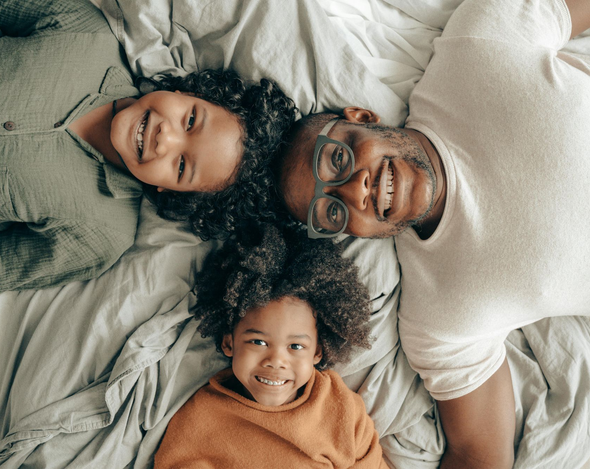
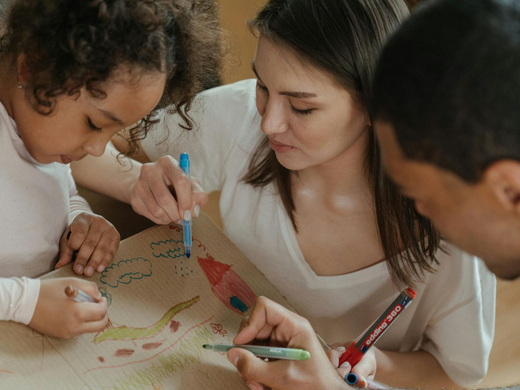
At the same time, my work in schools deepened my understanding that this idea of “the village” is just as essential for children. Through developing advisory programs and social-emotional curricula, I saw that the skills children need to thrive—self-awareness, empathy, communication, and the ability to navigate conflict—are the same skills that allow communities to function and flourish.
Building
Villages
Together
became both a philosophy and a framework:
a way of supporting adults and children in developing the relational capacities needed to live purposeful, connected lives and to contribute meaningfully to the world around them.
In my psychotherapy practice, this translates into a collaborative partnership where we work together to better understand your experiences, identify patterns that may be getting in the way, and develop the insight and skills needed to create the life and relationships you want. In my work with schools, it guides how I partner with leaders and faculty to intentionally build cultures, systems, and communities that support both student development and adult connection—recognizing that thriving schools, like thriving individuals, are built through strong, intentional relationships.